
A well-maintained roof is essential for protecting your home from the elements. One of the most effective ways to extend the life of your roof is by improving its ventilation. Proper airflow helps regulate temperature, reduce moisture buildup, and prevent damage to roofing materials. This article explores practical roof ventilation tips and explains why good airflow is crucial for roof longevity.
Essential Roof Ventilation Tips for Longevity
Proper roof ventilation is a key factor in maintaining a healthy roof structure. Here are some actionable tips to enhance your roof’s ventilation system:
-
Install Ridge Vents: Ridge vents run along the peak of the roof and allow hot air to escape from the attic. This helps keep the attic cooler in summer and reduces moisture buildup in winter.
-
Use Soffit Vents: Soffit vents are located under the eaves and allow fresh air to enter the attic. This creates a continuous airflow that pushes hot air out through the ridge vents.
-
Ensure Balanced Ventilation: For optimal airflow, the amount of intake (soffit vents) should match the amount of exhaust (ridge or roof vents). This balance prevents pressure buildup and promotes efficient air circulation.
-
Keep Vents Clear: Regularly inspect vents to ensure they are not blocked by insulation, debris, or pests. Blocked vents reduce airflow and can cause moisture problems.
-
Consider Powered Ventilators: In some cases, powered attic fans can help improve airflow, especially in larger homes or areas with extreme temperatures.
Implementing these tips can significantly reduce the risk of roof damage caused by heat and moisture.

What is the Purpose of Ventilation?
Understanding the purpose of ventilation helps clarify why it is so important for roof health. The main goals of a good ventilation system include:
-
Temperature Regulation: During hot weather, a well-ventilated roof prevents excessive heat buildup in the attic. This reduces cooling costs and protects roofing materials from heat damage.
-
Moisture Control: Moisture from daily activities and weather can accumulate in the attic. Without proper airflow, this moisture can cause mold growth, wood rot, and damage to insulation.
-
Extending Roof Life: By controlling temperature and moisture, ventilation helps prevent premature aging of shingles and other roofing components.
-
Energy Efficiency: Proper ventilation reduces the workload on heating and cooling systems, leading to lower energy bills.
-
Ice Dam Prevention: In colder climates, ventilation helps maintain a consistent roof temperature, reducing the risk of ice dams forming along the eaves.
These benefits highlight why investing in a quality ventilation system is a smart choice for any homeowner.

Signs Your Roof Needs Better Ventilation
Knowing when your roof ventilation needs improvement can save you from costly repairs. Watch for these warning signs:
-
Excessive Heat in the Attic: If your attic feels hot during summer, it may indicate poor airflow.
-
Moisture or Mold: Visible mold, mildew, or damp insulation are signs of trapped moisture.
-
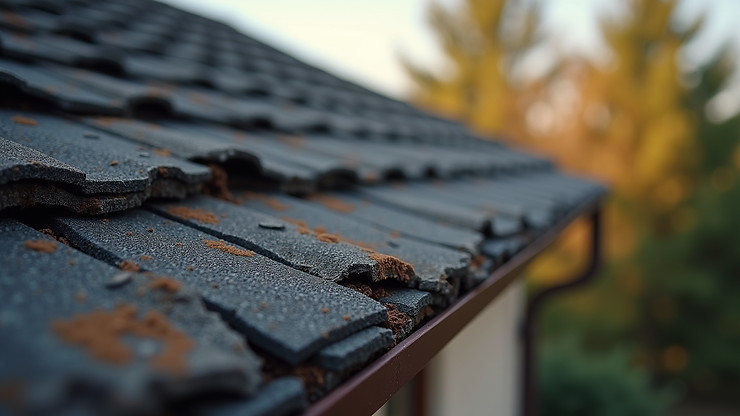
Warped or Damaged Shingles: Heat and moisture can cause shingles to curl, crack, or deteriorate prematurely.
-
Ice Dams in Winter: Ice buildup along the roof edges can signal uneven roof temperatures caused by poor ventilation.
-
High Energy Bills: Increased heating or cooling costs may result from an inefficient ventilation system.
If you notice any of these issues, it’s time to evaluate your roof’s ventilation and consider upgrades.
How to Maintain Your Roof Ventilation System
Maintaining your roof ventilation system is essential for long-term performance. Follow these maintenance tips:
-
Regular Inspections: Check vents at least twice a year, especially after storms or extreme weather.
-
Clear Blockages: Remove debris, leaves, or nests that may obstruct airflow.
-
Check Insulation: Ensure insulation does not block soffit vents or restrict air intake.
-
Repair Damaged Vents: Replace cracked or broken vents promptly to maintain airflow.
-
Hire Professionals: For complex ventilation systems, consult roofing experts to assess and improve your setup.
Routine maintenance helps prevent ventilation problems before they cause serious roof damage.
Investing in Quality Ventilation for Long-Term Savings
Improving your roof’s ventilation is an investment that pays off over time. Proper airflow protects your roof from damage, reduces energy costs, and enhances indoor comfort. Whether you are building a new roof or upgrading an existing one, consider these factors:
-
Choose high-quality vent materials designed for durability.
-
Ensure professional installation to achieve balanced airflow.
-
Combine different types of vents for maximum efficiency.
-
Use ventilation solutions tailored to your climate and roof design.
By prioritizing ventilation, you can extend your roof’s lifespan and avoid costly repairs down the road.
CALL G&C HOME IMPROVEMENTS (WE CAN WALK YOU THROUGH THE PROCESS)
Enhancing your roof’s longevity starts with understanding and improving its ventilation system. With the right tips and maintenance, you can protect your home and enjoy peace of mind for years to come.