
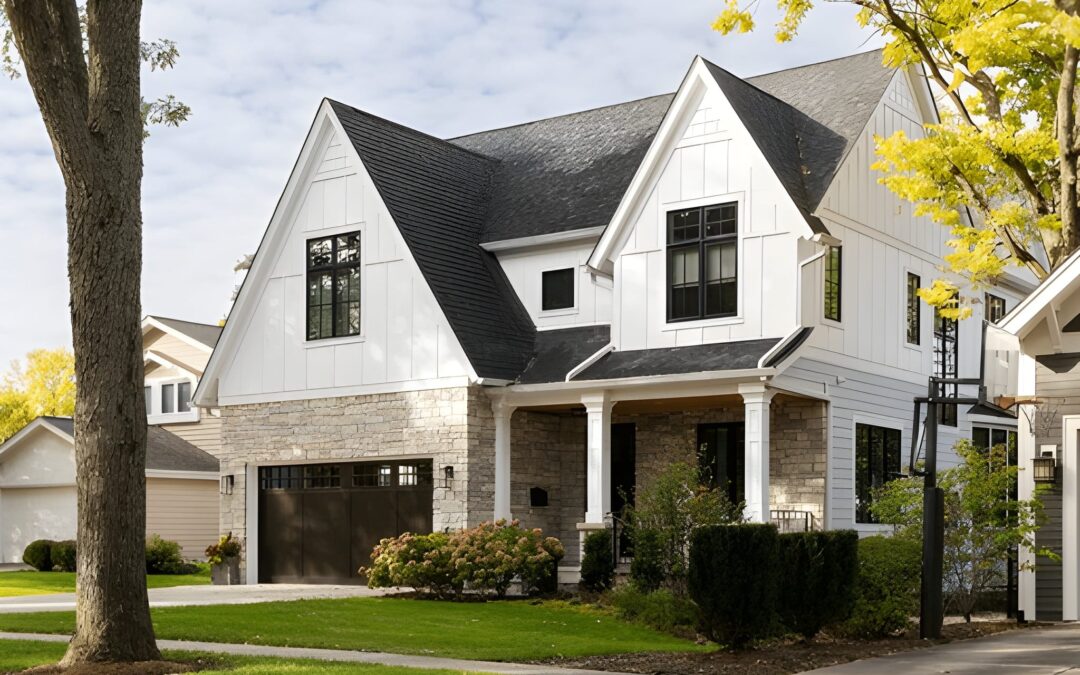
Installing a New GAF Roofing System
Gaf Certified Roofing Contractor
Everything You Need to Know About Installing a New Roof
By G&C Home Improvements
Installing a new roof is a significant decision and investment for any homeowner. Whether your old roof has worn out or you want to upgrade for better aesthetics or durability, understanding the ins and outs of roof installation is crucial. This guide will help you navigate the essentials of roof installation, ensuring you make informed choices throughout the process.
Understanding Roof Installation
Everything You Need to Know About Installing a New Roof
The roof of your home is more than just a shelter; it protects everything inside from external elements. Roof installation involves several steps, from choosing the right materials to final inspections to ensure everything is up to code. The process can feel overwhelming, but breaking it down step by step will make it much simpler.
Before beginning the installation, it’s essential to assess the current condition of your roof. If your existing roof is leaking or has visible damage in certain areas, it may require an overlay or a complete replacement. Professional assessments can help guide your decisions effectively, focusing on long-term durability and performance.

Everything You Need to Know About Installing a New Roof. New GAF Roof Installation
When it comes to roof installation, selecting the right materials plays a vital role in the longevity and appearance of your roof. The most common roofing materials include asphalt shingles, metal roofs, clay tiles, and slate. Each material has its unique advantages and drawbacks.
-
Asphalt Shingles: This is the most popular choice among homeowners due to their affordability and ease of installation. They can last between 15-30 years, depending on quality and maintenance.
-
Metal Roofs: Known for their durability, metal roofs can last up to 50 years and are excellent for energy efficiency, reflecting sunlight and reducing cooling costs.
-
Clay Tiles: These roofs provide a distinctive look and can withstand harsh weather conditions. They are, however, heavier and may require additional structural support.
-
Slate: While expensive, slate roofs are incredibly durable and can last over 100 years. They add a unique aesthetic to any home but require specialized installation
Choosing a material also depends on your local climate, home architecture, and budget. Consider consulting a roofing expert or doing thorough research to find the best option for your needs.
The roof installation process can be broken down into several steps
-
Removing the Old Roof: If you’re completely replacing your roof, the old shingles must be removed first. This process can take several hours to a couple of days, depending on the roof size.
-
Repairing Any Damage: Before installing the new roof, inspect for and repair any structural damage to the decking or insulation beneath the old roof.
-
Installing the New Roofing System: Once the roof deck is prepared, the roofing material can be installed. Ensure each layer is installed correctly to prevent water damage in the future.
-
Final Inspections and Cleanup: After installation, your roofing materials will undergo inspection to ensure everything is installed correctly. Be sure the area is cleaned up and free of debris
Using a professional roofing service can simplify this process. They can guide you through the entire installation process, making sure every step is done correctly.
-
Labor Costs: Hiring a professional roofer can vary depending on the size of your roof, the pitch of the roof and how complicated the angles and valleys are. Also depending on your area what type of shingle you need
-
Material Costs: Asphalt shingles can range from $100 to $300 per square, whereas metal roofs can be $300 to $700 per square.
-
Additional Costs: Don’t forget to account for potential additional charges, such as permits, disposal of old materials, and unexpected repairs
-
On average, homeowners can expect to spend between $5,000 and $15,000 for a full roof replacement. It’s wise to obtain multiple estimates and compare costs, as well as check references for quality assurance.
By factoring in these considerations, you can better prepare your budget for roof installation.
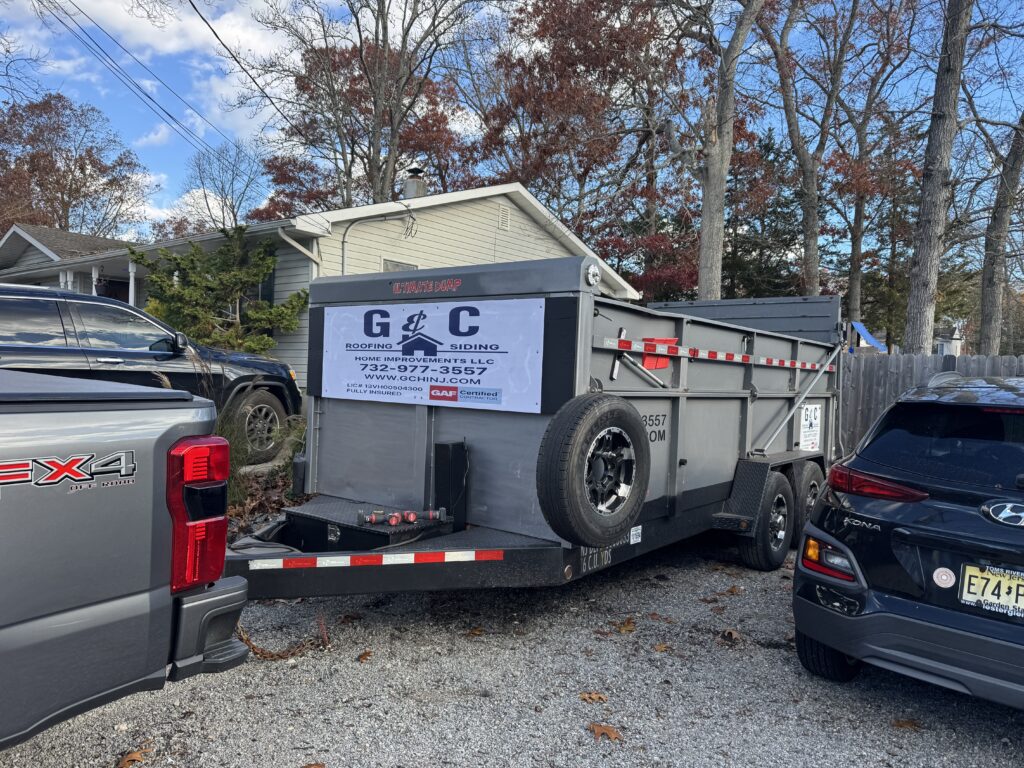
G&C Home Improvements trailer on site during a new roof installation project
-
Clear the Work Area: Move vehicles and outdoor furniture away from the home. This will give the contractors ample working space and minimize the risk of damage.
-
Discuss the Timeline: Understanding how long the entire process will take can help you plan accordingly. Most installations conclude in just a few days, but some can take longer depending on complexity.
-
Stay Accessible: Keep lines of communication open with your roofing contractor. Be available to answer questions and accept any immediate requests for decisions
Lastly, prepare for some noise and debris during the installation process. Consider finding alternative living arrangements if you’re sensitive to construction noise or have young children or pets.
Thank You G&C Home Improvements | View Our Roofing Services